When You May Need Dental Core Buildup Before a Dental Crown
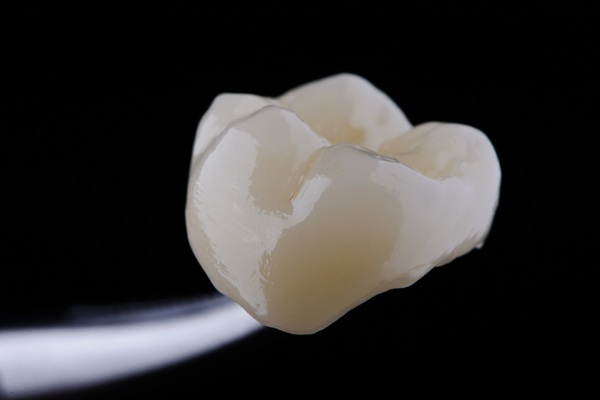
When a dentist recommends dental crowns to restore damaged or decayed teeth, patients frequently have questions about the preparation process. In some cases, individuals may need a dental core buildup to create a stable foundation for the new restoration. Understanding why this procedure is necessary can help you feel more comfortable and confident before your upcoming appointment.
What is a dental core buildup?
A dental core buildup replaces missing tooth structure lost to severe decay, deep cracks, or previous dental work. Dentists use tooth-colored composite resin or other durable materials to rebuild the center of the tooth. This material mimics the natural shape and proportions of the tooth before the damage.
The main goal of the procedure is to provide sufficient support for the new restoration. Without a healthy, natural structure, a dental crown cannot remain in place for long. Thus, a core buildup provides the crown with a stable base for a secure grip.
The importance of establishing a solid foundation
While dental crowns act like protective shields for broken teeth, the final restoration relies on the natural base of the tooth to which it is attached. For teeth with extensive damage, the remaining enamel and dentin cannot hold the new cap securely. As a result, the weak base can lead to loose restorations or premature structural failure.
Fortunately, a dental core buildup restores both the physical volume and the strength of the tooth structure. This additional reinforcement prevents future fractures under heavy pressure from everyday chewing and biting forces. It also allows the tooth to distribute bite forces evenly across the jawbone, protecting the surrounding teeth from damage.
Signs a tooth needs a dental core buildup
During an evaluation, the dentist will examine the condition of the tooth. Certain conditions almost always require a dental core buildup to ensure long-term success. The most common situations include the following dental issues:
- Severe decay affecting the enamel
- Large silver or resin fillings
- Significant fractures or broken cusps from injury
- Advanced enamel loss due to bruxism
- Post root canal therapy
- Short tooth with limited surface area
A quick evaluation helps the dentist determine the best approach for the structural repair. This step ensures that the final crown fits perfectly and functions without any future issues.
What to expect during the appointment
First, the dentist removes any active decay or old restorative material from the tooth surface. Next, the practitioner applies a special liquid agent to ensure the material adheres to the clean area. The dentist then places the composite layers and hardens them with a specialized blue light. Completing the core buildup typically takes about five to 10 minutes.
Once the material solidifies, the dentist shapes the core to look like a naturally prepared tooth. The dental team takes digital scans or physical molds for the impression. Finally, a temporary crown shields the new foundation until the permanent restoration arrives for final cementation. In some cases, the dental office may offer same-day crowns, skipping the need for a temporary restoration and a second appointment.
Protect the long-term longevity of your restoration
A stable foundation from a dental core buildup helps ensure dental crowns last as long as possible. If you have a tooth with major structural loss, a dental core buildup provides the strength necessary to restore your tooth’s long-term integrity. If you believe you need a crown or would like to discuss a treatment plan, contact Rowley Family Dental Center today to schedule an appointment at our Rowley office.
Request an appointment here: https://rowleyfamilydental.com or call Rowley Family Dental Center at (978) 364-8516 for an appointment in our Rowley office.
Check out what others are saying about our dental services on Yelp: Dental Crowns and Dental Bridges in Rowley, MA.
Related Posts
Request An Appointment Call Us! Continue Reading >>> Dental crowns are a reliable and durable solution for restoring the appearance and function of damaged teeth. While dental crowns are designed to last years, proper care and maintenance are essential for extending their lifespan. Following practical steps and working closely with your dentist can protect your investment…
Request An Appointment Call Us! Continue Reading >>> Wondering how often a general dentist places a dental crown? The fact that dental crowns are one of the more common types of dental restorations that patients undergo to improve their oral health makes dental crown placement a very popular option for repairing teeth. Ready to learn more?It…
Request An Appointment Call Us! Continue Reading >>> Veneers fix crooked, chipped, cracked, damaged, or stained teeth by concealing cosmetic issues beneath thin shells. CEREC® (Chairside Economical Restorations of Esthetic Ceramic) offers a more comfortable procedure by reducing the amount of time a patient must spend in the dentist's office. This type of restoration can be…
Request An Appointment Call Us! Continue Reading >>> CEREC® technology allows dentists to make dental restorations onsite, eliminating the need for multiple appointments to get restorations placed on teeth. The acronym stands for the Chairside Economical Restoration of Esthetic Ceramics, and it involves sending data to a CEREC machine that makes restorations in as little as…